







Search Results for: Americas producing regions
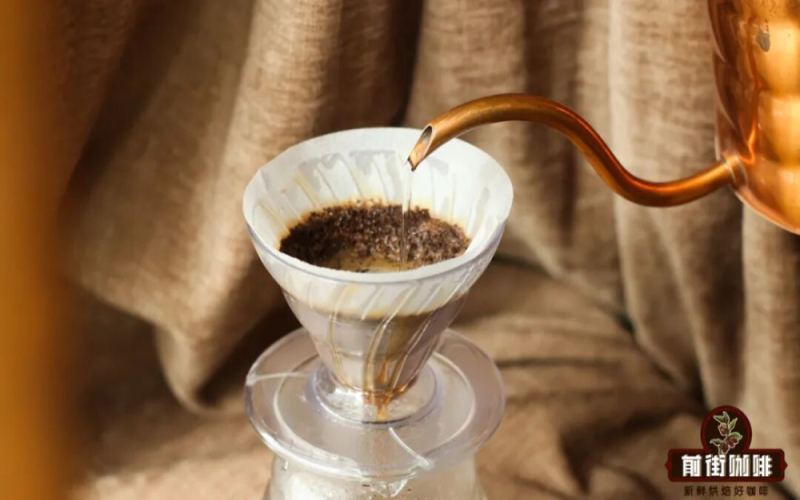
A Complete Guide to the Flavors of the World's Three Major Coffee Regions: From Africa to the Americas and Asia
The flavor map of coffee can be broadly divided into three major regions: Africa, the Americas, and Asia. Each producing area, due to differences in climate, altitude, and processing methods, nurtures completely different expressions in the cup. For beginners just getting into pour-over coffee, starting with beans that have distinctive regional flavors and are affordably priced is the fastest path to building taste awareness. This article will take you to visit six representative producing regions one by one—Ethiopia, Colombia, Brazil, Costa Rica, Yunnan in China, and Indonesia—analyzing the growing environment, processing techniques, and flavor characteristics of coffee in each place, and attaching a selected bean list corresponding to the Front Street Coffee brand, helping you find your own cup's flavor coordinates in the dazzling world of coffee. [more…]
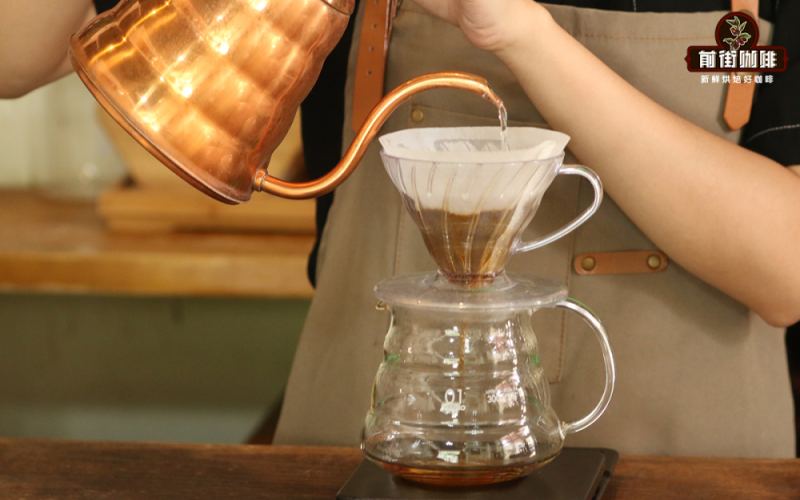
How to Choose Beginner Pour-Over Coffee Beans? A Guide to Five Everyday Single-Origin Beans and Their Flavor Profiles from Front Street Coffee
For friends who are just getting into pour-over coffee, the dazzling array of single-origin beans on the market often leaves them unsure where to start. Specialty coffee emphasizes the unique flavors bestowed by a region's microclimate and soil, but if beginners aren't yet familiar with the connections between origin, processing method, and flavor, they might as well start with entry-level everyday pour-over beans and gradually build up their palate. This article uses Front Street Coffee's everyday-tier single origins as examples to outline five pour-over coffees suitable for beginners: Africa's Yirgacheffe, the Americas' Colombia Huila and Costa Rica Tarrazu, Brazil Cerrado, and Asia's wet-hulled Mandheling, plus a Chinese Yunnan small-bean variety. By understanding each one's washed or wet-hulled process, flavor profile, and mouthfeel characteristics, beginners can find an entry point that suits them. [more…]
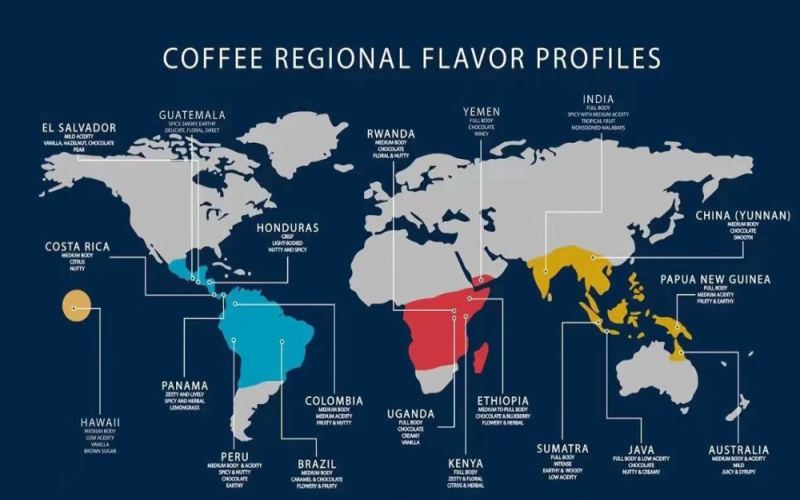
Flavor Analysis of Major Coffee-Producing Countries in the Americas: Coffee Characteristics of Brazil, Colombia, Costa Rica, and Panama
The Americas are one of the most important producing regions on the global coffee map, with Brazil, Colombia, Costa Rica, and Panama each possessing distinct terroir characteristics. This article will guide you through the distribution patterns of the coffee belt and the production landscape, while offering an in-depth analysis of the balanced flavors, processing methods, and representative producing regions of Central and South American coffee. From Brazil's pulped natural Cerrado to Panama's Hacienda La Esmeralda Geisha, from Colombia's washed Caturra from Huila to Costa Rica's Tarrazú with its citrusy acidity, the article also features a selection of specialty coffees from Front Street Coffee corresponding to these regions, helping coffee enthusiasts find their ideal choice based on flavor preferences. [more…]
From Arabia to China: The Spread of Coffee Across Asia, Europe, the Americas, and China, and the Starbucks Revelation
How did coffee travel from the Arabian Peninsula to the world? Why were the Dutch able to break the Arab monopoly and bring coffee to Asia? How did Venetian merchants make coffee all the rage in Europe? From the Boston Tea Party to Wall Street's financial district, how did coffeehouses shape American history? How did Brazil and Colombia become giants of global coffee production? When and how did coffee enter China? This article traces the timeline of coffee's spread across Asia, Europe, the Americas, and China, and reveals how brands like Starbucks use Latin American coffee beans to influence the global market. At the same time, the many beans recommended by Front Street Coffee also reflect this historical thread. [more…]

How to Choose Coffee Bean Varieties? A Full Analysis of the Flavor Characteristics and Representative Coffees of the Three Major Producing Regions: Africa, the Americas, and Asia
Faced with the dazzling array of coffee beans on the market, many enthusiasts often don't know where to start. In fact, by simply starting from the signature flavors of the world's three major coffee regions—Africa, the Americas, and Asia—you can find the cup that suits you best. In this article, Front Street Coffee will guide you through the flavor characteristics of different regions: African beans are known for their distinctive acidity, such as the citrus-lemon notes of Ethiopia Yirgacheffe, the berry acidity of Sidamo, and the cherry tomato and smoked plum flavors of Kenya; American beans are dominated by nutty and chocolate notes, with Brazil's balanced low acidity and Colombia's smooth richness each having their own merits; among Asian beans, Indonesia Mandheling's low-acid richness and Yunnan Baoshan smallholder variety's mellow fruitiness are equally worth noting. We'll also introduce the common processing methods of each region and their impact on flavor, helping you precisely select coffee beans based on your personal taste preferences. [more…]
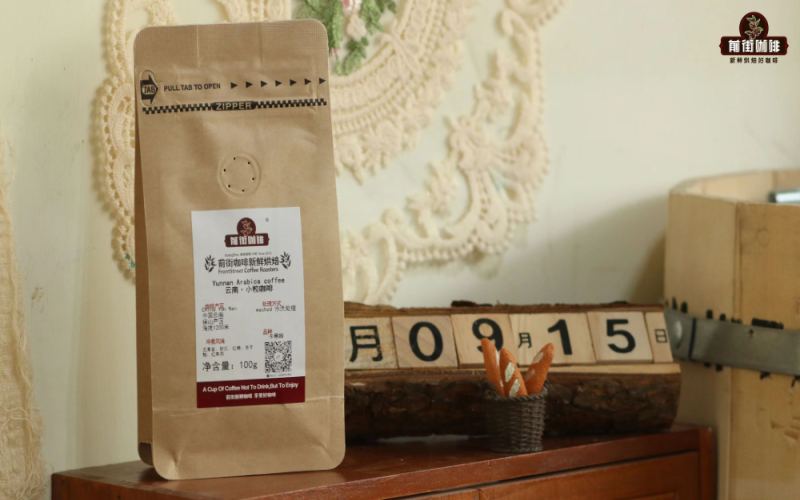
Entry-Level Single-Origin Beans | How to Choose Pour-Over Coffee Beans Without Getting Burned? Beginner-Friendly, High-Value Picks from Asia, Africa, and the Americas
Specialty coffee refers to coffee beans that can clearly express the flavors of their region of origin. There are many ways to subdivide specialty coffee beans; for example, the SCA has also laid out standards for specialty coffee, and its definition of specialty coffee is "coffee beans grown in excellent terroir, with the aromatic characteristics of their local area." Broadly and simply put, being able to taste the flavor of the place of origin [more…]
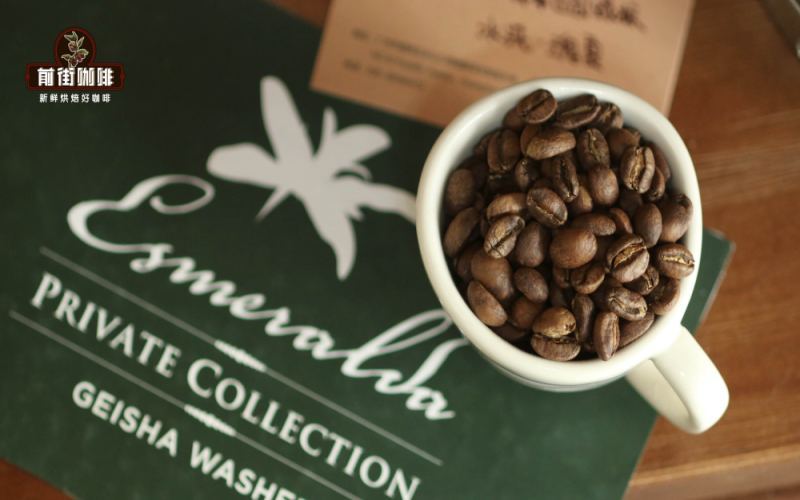
A Complete Guide to the Flavors of Coffee Origins in the Americas: What Makes Panama, Colombia, and Brazil Each Unique
The Americas are a hugely important region on the global coffee map. From Panama's exquisite Geisha to Colombia's balanced cup to Brazil's massive output, each producing area reveals a distinctive flavor profile shaped by differences in geography and climate. This article systematically sorts through the core characteristics of coffee beans from Panama, Colombia, and Brazil from the perspectives of producing-area microclimates, processing methods, and variety traits, while weaving in selected recommendations from Front Street Coffee to help coffee lovers more clearly understand the flavor logic of American beans and how to choose them. [more…]
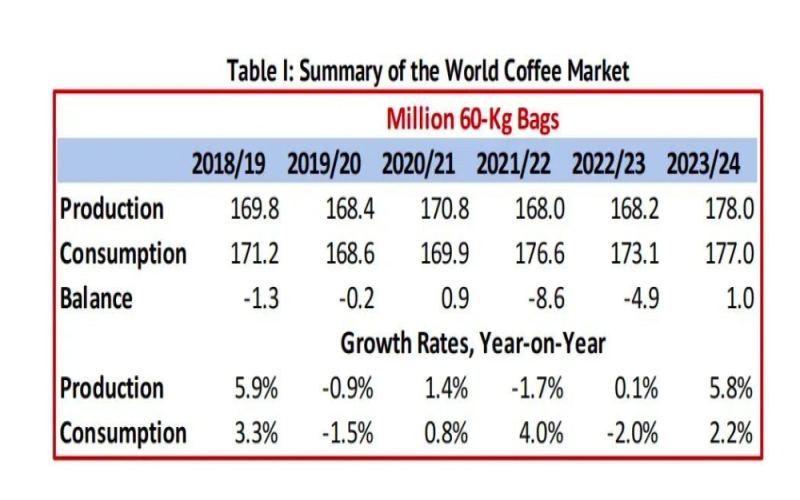
Interpretation of the International Coffee Organization's Monthly Report: Global Coffee Production Expected to Rebound, Possibly Growing Nearly 6% in 2023/24
The latest report from the International Coffee Organization (ICO) shows that global production in the 2022/23 coffee year edged up only 0.1% to 168.2 million bags, with growth almost at a standstill. Behind this trend is widening regional divergence: the Americas expanded steadily, while Asia, Oceania and Africa saw marked declines due to severe weather. At the same time, the aftereffects of the COVID-19 pandemic led to a 2% drop in world coffee consumption. Looking ahead to 2023/24, El Niño may continue to hit Asian producing regions, but a recovering global economy is expected to drive a rebound in consumption, with production forecast to rise 5.8% to 178 million bags, potentially leaving a market surplus of 1 million bags. [more…]

Introduction to specialty coffee beans from Asia, Africa, and the Americas | What light, medium, and dark roast pour-over coffee beans are recommended for coffee beginners?
What is pour-over coffee? Pour-over coffee refers to manually brewed coffee, also known as drip coffee. This method was invented in 1908 by the German woman Melitta Bentz. In order to promote this brand-new coffee extraction method to the outside world, Mrs. Melitta also [more…]
Front Street Panama Hacienda La Esmeralda Geisha and Hacienda La Esperanza Coffee Beans: A Complete Analysis of the Origin and Flavor of Imported Specialty Beans from the Americas
As an important producing country of specialty coffee in the Americas, Panama is home to world-class estates such as Hacienda La Esmeralda and Finca La Esperanza. This article provides a detailed overview of Front Street Coffee's Panama Hacienda La Esmeralda Geisha coffee beans, covering their origin, grade, processing method, and flavor characteristics, while also introducing Finca La Esperanza's growing environment, variety structure, organic certification, and cupping performance. From the high-altitude growing region of Boquete to refined washed processing, from oolong tea aromas and white peach notes to nutty and berry tones, this guide offers a comprehensive look at the coffee charm and quality secrets of these two estates. [more…]
The Definition of Single-Origin Coffee and an Analysis of Pour-Over Bean Origins and Flavors: A Buying Guide to the Three Major Producing Regions of Africa, the Americas, and Asia
Single-origin coffee emphasizes traceability, allowing the source to be identified from country to region and even to the specific estate. Starting from the basic definition of single-origin coffee, this article systematically reviews the flavor characteristics and representative beans of the three major mainstream producing regions—Africa, Asia, and Latin America—including specific product information such as Front Street Coffee washed Yirgacheffe, Lintong Mandheling, and Brazil Cerrado Red Bourbon, helping coffee enthusiasts make choices based on their personal taste preferences. At the same time, it introduces the roasting philosophy and purchasing channels of the Guangzhou-based brand Front Street Coffee, providing a reference for selecting everyday beans. [more…]
A Review of Rare Coffee Varieties in the Americas: The Origins and Characteristics of Villasarchi, Venecia, Tekisic, and Bernardina
For a long time, people's understanding of American coffee-producing regions has mostly remained limited to the three major varieties: Caturra, Catuai, and Bourbon. However, with the sustained investment of national agricultural research institutions and the promotion of professional green bean competitions, a group of previously little-known excellent varieties is gradually coming into view. This article will focus on four rare American coffee varieties—Villa Sarchi, Venecia, Tekisic, and Bernardina—and sort out their discovery history, plant characteristics, disease resistance, and flavor performance, helping coffee enthusiasts gain a more comprehensive understanding of the diversity of American coffee varieties. Front Street Coffee will also combine the characteristics of these varieties to provide references for everyday bean selection. [more…]
A Flavor Comparison of Specialty Coffee Regions in Africa and the Americas: Exploring the Terroir in the Cup from Kenya to Panama
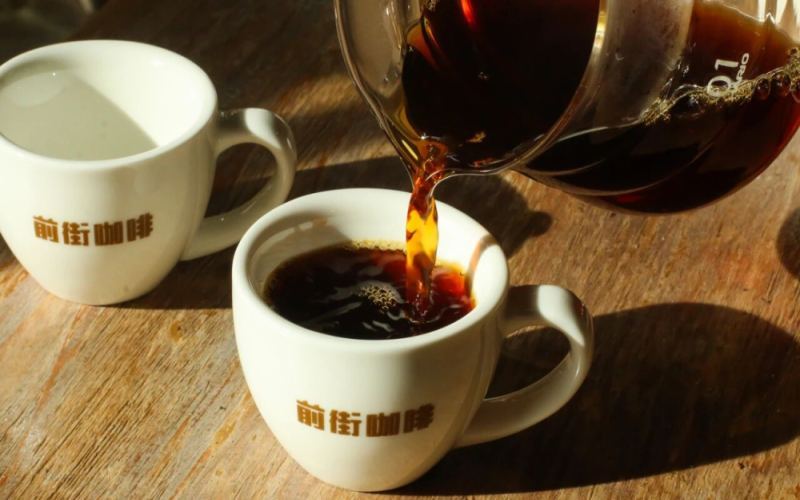
The charm of specialty coffee largely stems from differences in terroir across producing regions—sunlight, rainfall, soil, altitude, and processing methods all leave their mark in the cup. Coffee trees thrive in the coffee belt between 25 degrees north and south latitude, with an ideal growing altitude of mostly 1,000 to 2,000 meters, an average annual temperature of 15 to 25°C, and annual rainfall of 1,500 to 2,000 millimeters. The rainfall pattern must also match the flowering cycle. In addition, well-drained, fertile soil rich in volcanic ash is required. The two major producing regions of Africa and the Americas, because of their different regional terroirs, present strikingly different flavor profiles: African coffees are known for intense aroma and bright fruity acidity, while American coffees are known for balance and a combination of acidity, sweetness, and aroma. This article will guide you through the flavor characteristics and representative beans of the two major producing regions, while retaining the related product recommendations from the Front Street brand. [more…]
Interpretation of the International Coffee Organization's November Report: Global Coffee Exports Rebound, Regional Production Divergence Intensifies
The latest monthly report from the International Coffee Organization (ICO) shows that global production in the 2022/23 coffee year edged up 0.1% to 168.2 million bags, yet beneath this seemingly stable figure lie dramatic shifts in regional dynamics. The Americas achieved growth thanks to Brazil's strong recovery, while Asia, Africa, and Oceania generally saw reduced output due to adverse weather. Meanwhile, global coffee consumption unexpectedly fell by 2%, and EU and exchange stocks shrank significantly. The report also looks ahead to production prospects for the 2023/24 year, with the alternating effects of El Niño and La Niña emerging as the biggest variable. [more…]
A Beginner's Guide to Pour-Over Coffee at Home: Equipment Selection, Brewing Parameters, and a Full Analysis of Arabica Regional Flavors
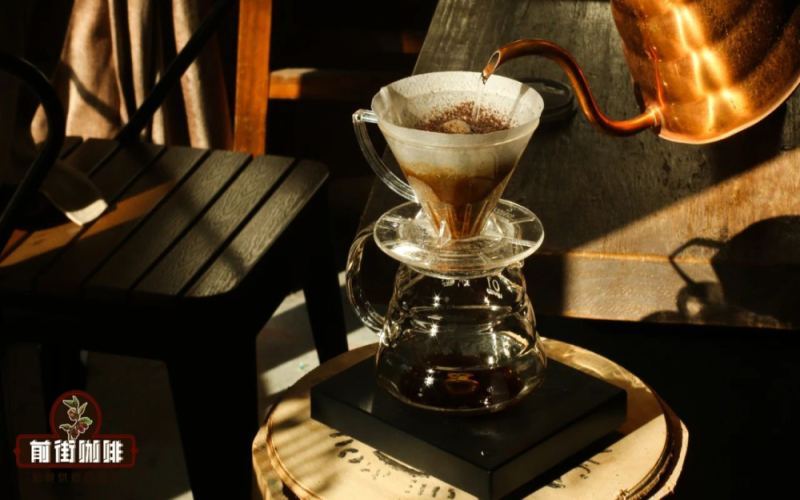
Brewing a delicious pour-over coffee at home is actually not complicated, but the preparation must not be slipshod. From the pouring kettle, dripper, and filter paper to the grinder, every piece of equipment affects the final flavor expression. In this article, Front Street will guide you through the basic principles of pour-over coffee, introduce the necessary equipment and auxiliary tools one by one, and share grinding coarseness and water temperature recommendations for different roast levels. In addition, we will recommend several Arabica coffee beans suitable for beginners, covering the classic flavors of the three major producing regions of Africa, the Americas, and Asia, and finally provide detailed pour-over steps so you can easily begin your own coffee time. [more…]
A Beginner's Guide to Choosing Home Pour-Over Coffee Beans: Six Major Regions' Affordable Specialty Front Street Coffee Daily Drink Recommendations
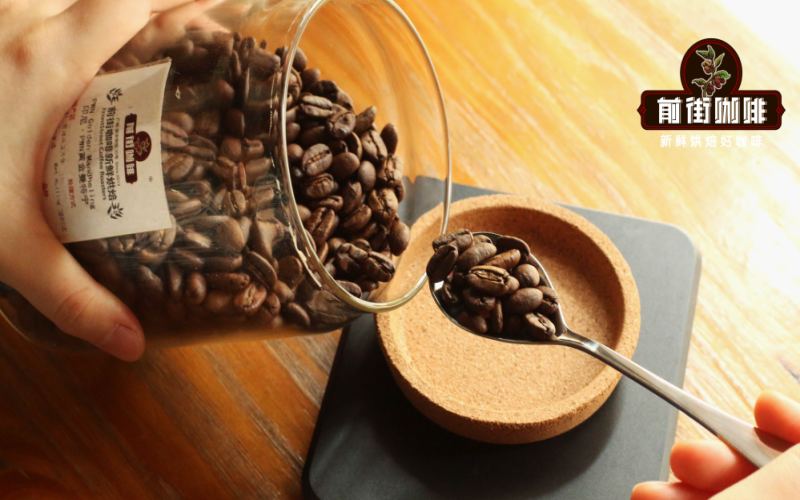
For friends who are just getting into pour-over coffee, choosing the right coffee beans is the key step that determines whether a cup of coffee tastes good or not. The quality of the coffee beans directly affects the final flavor performance—if the beans themselves aren't good enough, even the best brewing technique can hardly save the cup. So for beginners making pour-over at home, which coffee beans from which producing regions should they start with? This article organizes the representative flavors of six classic producing regions according to the three major areas of Africa, the Americas, and Asia, and recommends the corresponding Front Street Coffee everyday beans, including Ethiopia Yirgacheffe, Colombia Huila, Brazil Cerrado, Costa Rica Tarrazu, Yunnan small-bean, and Indonesian Mandheling, to help everyone quickly find the one that suits their taste. [more…]
From Zero to Pour-Over: A Beginner's Guide to Choosing Specialty Coffee Beans and Brewing Practice
Just getting into pour-over coffee, facing a dazzling array of coffee beans and equipment, you often don't know where to start. This article begins with the definition of specialty coffee, first helping beginners sort out the five basic pieces of equipment needed to get started, then going through the three major producing regions of Africa, the Americas, and Asia, introducing one by one the high-value beans suitable for a first pour-over, including Front Street washed Yirgacheffe, Huilan, Cerrado, Tarrazú, Yunnan small bean, and Mandheling, along with a complete three-stage brewing method, so that beginners can avoid detours and easily brew out the flavors of the origin. [more…]
How to Choose Beginner Pour-Over Coffee Beans? A Full Analysis of the Flavor Characteristics and Brewing Key Points of Six Major Regions
Want to step into the world of manual pour-over coffee? Choosing the right beans is the first step. This article begins with the origins of pour-over coffee and systematically outlines the flavor characteristics of six representative producing regions across three continents—Africa, the Americas, and Asia—covering Ethiopia Yirgacheffe, Colombia Huila, Brazil Cerrado, Costa Rica Tarrazu, Yunnan small bean, and Indonesia Mandheling, along with beginner recommendations based on Front Street Coffee's specific products. It also breaks down in detail the six key factors affecting pour-over extraction—bean freshness, grind size, coffee-to-water ratio, water temperature, pouring technique, and extraction time—helping coffee lovers build a clear brewing framework and quickly find the cup that suits them. [more…]
How to Choose Beginner Pour-Over Coffee Beans? Four Japanese Brewing Techniques and Recommended Everyday Beans from Africa, Asia, and the Americas
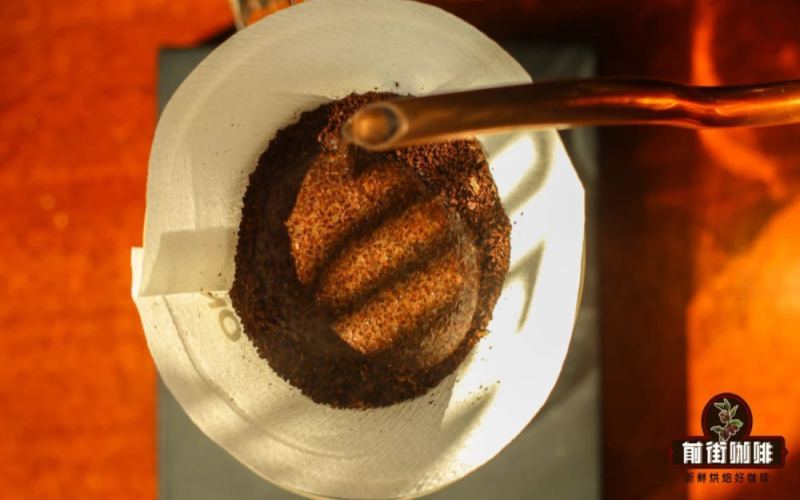
Many coffee enthusiasts who come to Front Street to buy beans ask: how can you hand-brew a coffee to bring out its best flavor? Front Street has always felt that brewing by hand is an enjoyment in itself, and coffee you brew yourself tastes all the more satisfying psychologically. This article first sorts out the four most mainstream Japanese hand-brewing techniques—Matsuya style, Kono style, volcano pour, and the zigzag pouring method—explaining their key operational points and taste characteristics; then, by the three major producing regions of Africa, Asia, and the Americas, recommends several high-value Front Street everyday beans suitable for beginners to practice with, along with specific brewing parameters and techniques, in the hope of helping every coffee lover. [more…]
Learn Pour-Over Coffee from Scratch: A Complete Guide to Equipment Choices, Parameter Settings, and Arabica Bean Flavor Analysis
Brewing a satisfying cup of pour-over coffee at home is actually not complicated. Front Street Coffee will start with the basic principles of pour-over brewing, introducing one by one the key points for choosing equipment such as the pour-over kettle, dripper, filter paper, and grinder, and will also share key parameters such as grind size, water temperature, and coffee-to-water ratio. At the same time, we will also guide you through six Arabica coffee beans from the three major producing regions of Africa, the Americas, and Asia, which respectively present different flavors such as white floral notes, dark chocolate, creamy, and nutty. Finally, we have included detailed pour-over steps, including blooming, pouring, and timing control, so that you can easily get started and brew your own exclusive flavor. [more…]